Healing Through Art: Therapy for Mind and Soul
- Crystal Tardiff Chagnon
- Nov 14, 2025
- 4 min read

Art has long been recognized as a powerful medium for expression, but its therapeutic potential is often overlooked. Healing through art is not just a creative outlet; it is a profound method for nurturing the mind and soul. In this blog post, we will explore how engaging with art can facilitate emotional healing, enhance mental well-being, and foster personal growth.

The Therapeutic Benefits of Art
Art therapy is a growing field that combines the creative process with psychological healing. Here are some key benefits of engaging with art for therapeutic purposes:
Emotional Expression
Art provides a unique way to express feelings that may be difficult to articulate. Whether through painting, drawing, or sculpting, individuals can convey emotions such as sadness, anger, or joy without the constraints of language. This form of expression can lead to:
Increased self-awareness: Understanding one's emotions can lead to better emotional regulation.
Catharsis: Releasing pent-up feelings through creative activities can be liberating.
Stress Relief
Engaging in artistic activities can serve as a form of mindfulness, allowing individuals to focus on the present moment. This can significantly reduce stress levels. Benefits include:
Lowered anxiety: Concentrating on art can distract from daily worries.
Relaxation: The repetitive motions of painting or drawing can induce a meditative state.
Improved Mental Health
Art therapy has been shown to be effective in treating various mental health issues, including depression and anxiety. Research indicates that:
Enhanced mood: Creating art can trigger the release of dopamine, a neurotransmitter associated with pleasure.
Coping mechanisms: Art can help individuals develop healthier ways to cope with their emotions.
Different Forms of Art Therapy
Art therapy is not limited to traditional painting or drawing. There are various forms that cater to different preferences and needs:
Visual Arts
Visual arts encompass a wide range of activities, including painting, drawing, and collage-making. These activities allow individuals to explore their creativity and emotions visually.
Music Therapy
Music therapy involves using music to address emotional, cognitive, and social needs. This can include listening to music, songwriting, or playing instruments. Benefits include:
Emotional connection: Music can evoke strong emotions and memories.
Social interaction: Group music therapy can foster connections among participants.
Dance and Movement Therapy
This form of therapy uses movement to promote emotional, social, and cognitive integration. It can be particularly beneficial for those who find it challenging to express themselves verbally.
Drama Therapy
Drama therapy utilizes performance arts to help individuals explore their feelings and experiences. Through role-playing and storytelling, participants can gain insights into their emotions and behaviors.
How to Get Started with Art Therapy
If you're interested in exploring art therapy, here are some practical steps to get started:
Find a Qualified Art Therapist
Look for a licensed art therapist who can guide you through the process. They can tailor sessions to your specific needs and help you navigate your emotional landscape.
Create a Dedicated Space
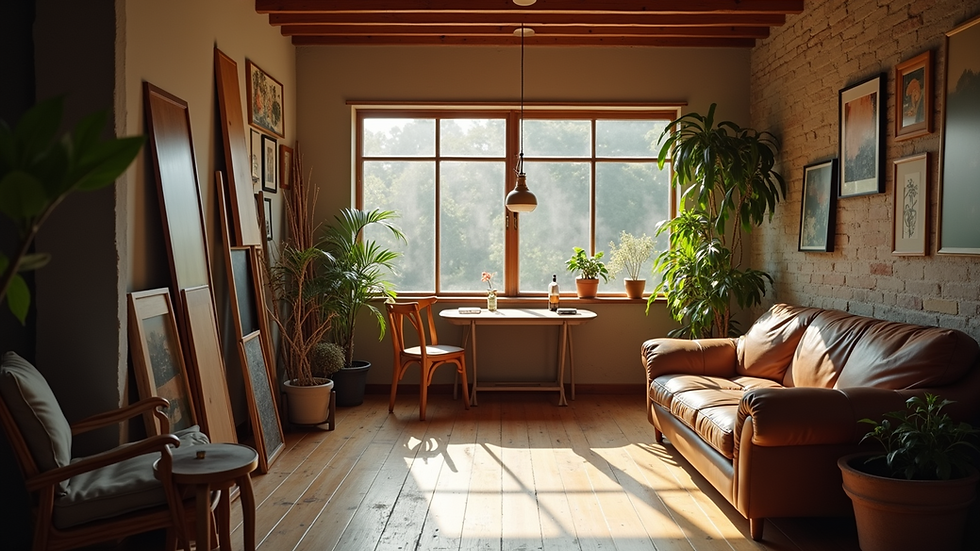
Set up a comfortable and inspiring space for your artistic endeavors. This can be a corner of your home or a designated art studio. Ensure you have all the necessary supplies, such as:
Paints and brushes
Sketchbooks or canvases
Collage materials
Allow Yourself to Experiment
Art therapy is about the process, not the final product. Give yourself permission to explore different mediums and techniques without the pressure of creating something "perfect." Embrace mistakes as part of the journey.
Set Aside Time for Art
Incorporate regular art sessions into your routine. Whether it's a few minutes each day or longer sessions a couple of times a week, consistency can enhance the therapeutic benefits.
Real-Life Examples of Healing Through Art
Many individuals have experienced profound healing through art therapy. Here are a few inspiring stories:
Case Study 1: Overcoming Trauma
A young woman named Sarah struggled with anxiety and depression after experiencing a traumatic event. Through art therapy, she began to express her feelings on canvas. Over time, she found that creating art helped her process her emotions and regain a sense of control over her life.
Case Study 2: Building Self-Esteem
John, a teenager with low self-esteem, discovered a passion for drawing. With the support of an art therapist, he learned to express his feelings through his artwork. As he gained confidence in his abilities, he began to see himself in a more positive light.
Case Study 3: Connecting with Others
A group of seniors participated in a community art therapy program. Through collaborative projects, they not only created beautiful artwork but also formed meaningful connections with one another. This social aspect of art therapy enhanced their overall well-being.
The Science Behind Art Therapy
Research supports the effectiveness of art therapy in promoting mental health. Studies have shown that engaging in creative activities can lead to:
Reduced symptoms of anxiety and depression: Participants often report feeling more relaxed and less anxious after art sessions.
Improved cognitive function: Art therapy can enhance problem-solving skills and cognitive flexibility.
Increased resilience: Individuals who engage in art therapy often develop stronger coping mechanisms for dealing with life's challenges.
Conclusion
Healing through art is a powerful journey that can transform lives. Whether you are dealing with emotional struggles, seeking personal growth, or simply looking for a creative outlet, art therapy offers a unique path to healing. By embracing the creative process, you can nurture your mind and soul, leading to a more fulfilling and balanced life.
Take the first step today by exploring your artistic side. Remember, the journey of healing is as important as the destination.

Comments